Grow the Giant of the Loquat World: The Big Jim
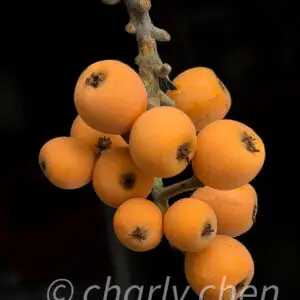
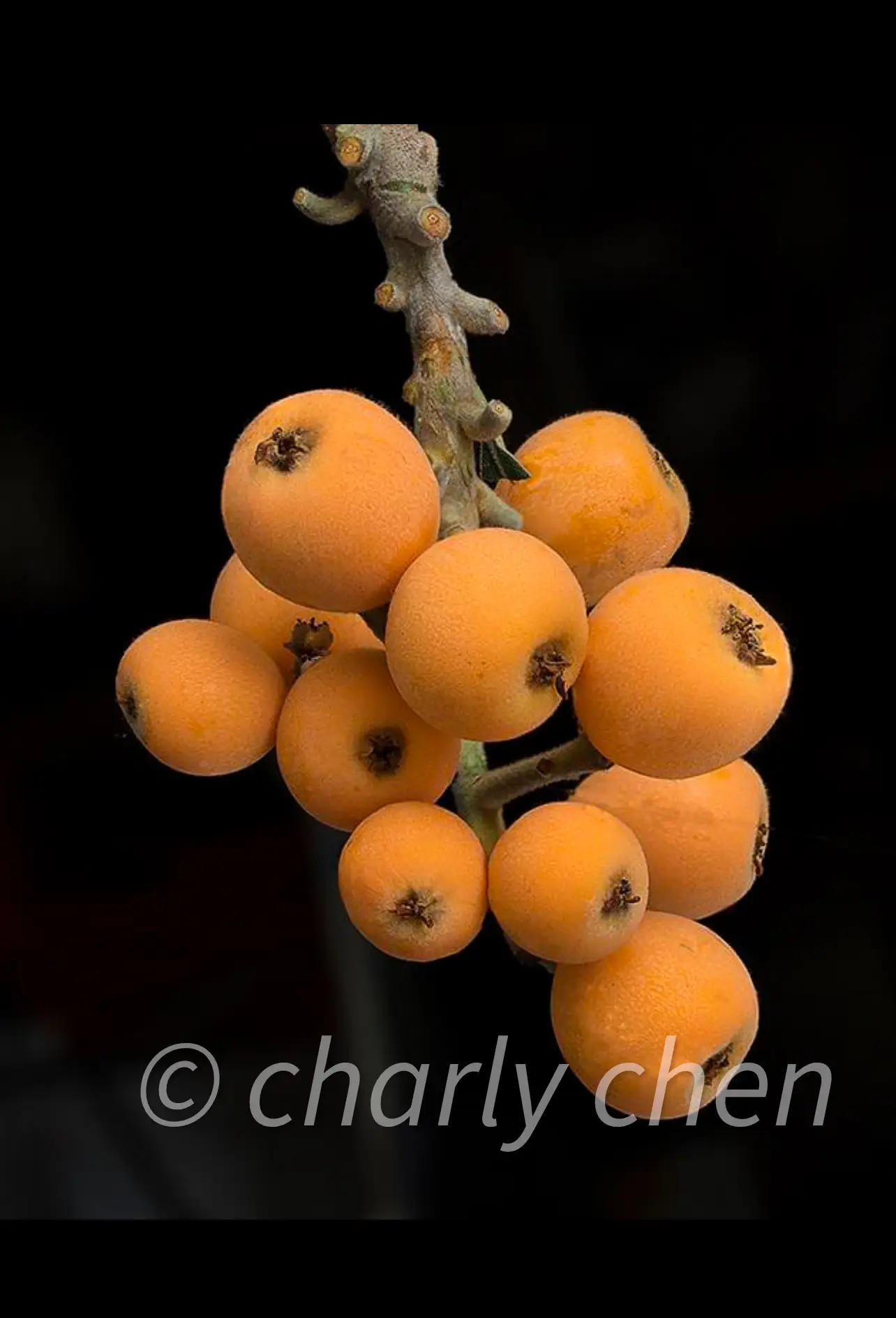
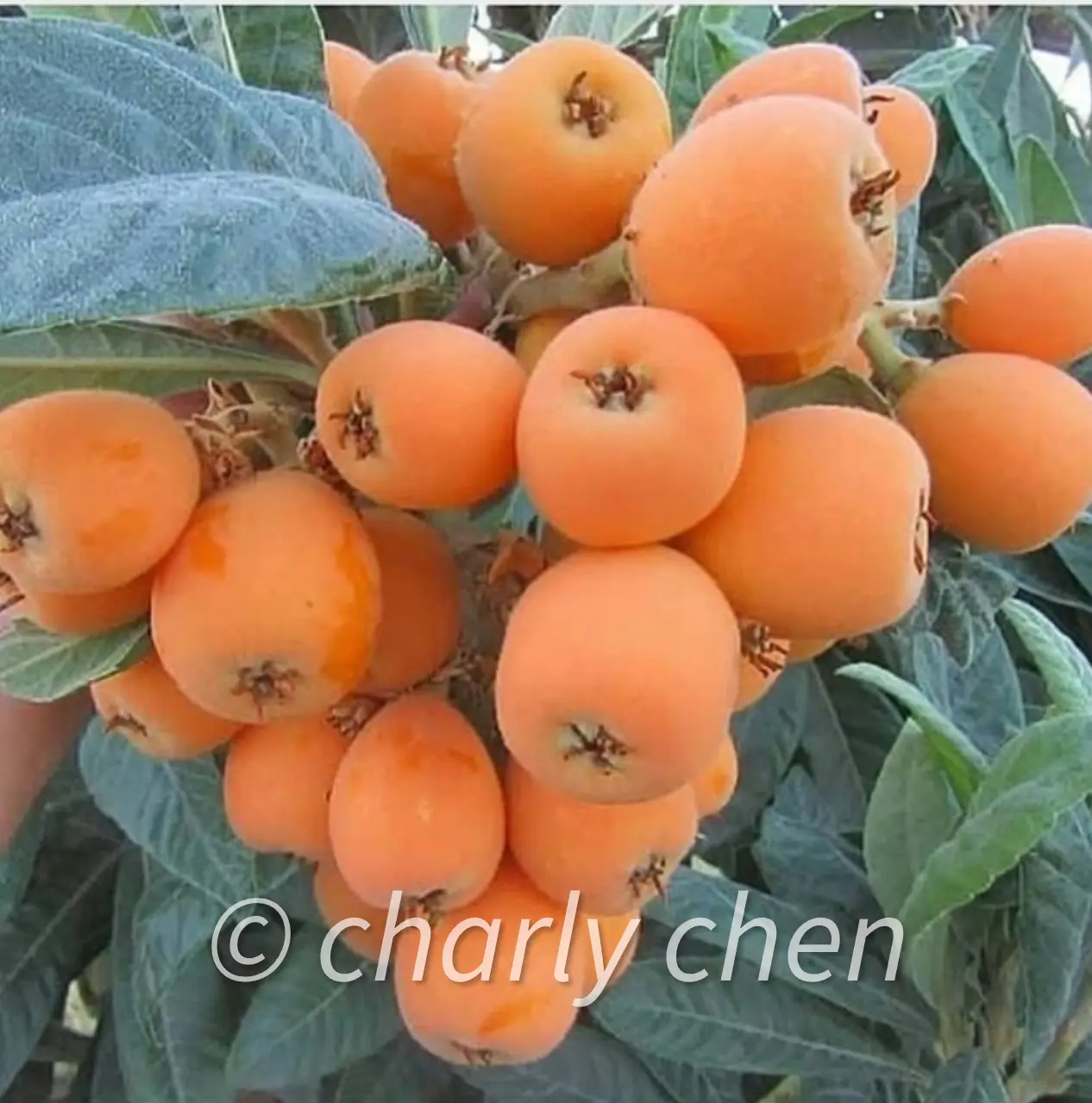
Discovered in San Diego, California, the Big Jim Loquat (Eriobotrya japonica ‘Big Jim’) is a highly sought-after cultivar prized for its exceptional fruit size and excellent eating quality. If you want a loquat tree that consistently delivers impressively large and juicy harvests, the Big Jim is the perfect choice.
Why Choose the Big Jim Variety?
-
Massive Fruit Size: Big Jim produces fruits that are significantly larger than standard loquats, often reaching 2 inches or more in diameter.
-
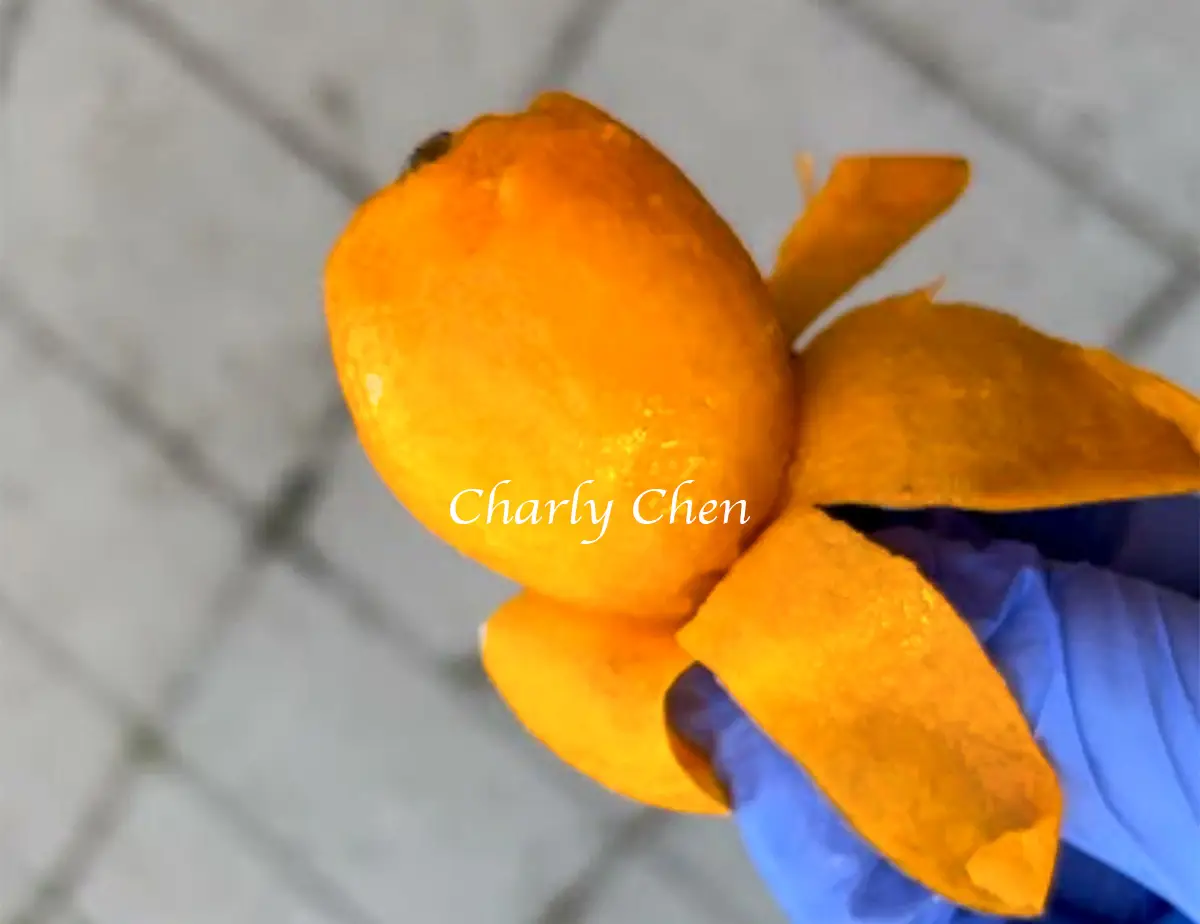
Outstanding Flavor: The pale-orange flesh is incredibly juicy. It offers a delicious, refreshing balance of sweet and tangy flavors, often described as a mix of peach, citrus, and mild apricot.
-
Excellent Fresh Eating: Because of its large size and thick, meaty flesh, it provides an excellent flesh-to-seed ratio, making it ideal for snacking fresh off the tree.
-
Ornamental Appeal: Even when not fruiting, the tree is stunning. It features large, dark green, heavily veined evergreen leaves that add a lush, tropical feel to your yard year-round.
Growth Habit & Care
The Big Jim is a vigorous, upright grower that is surprisingly easy to care for, making it ideal for both beginners and experienced gardeners.
-
Sunlight: Prefers full sun for the best fruit production and sweetness, but can tolerate light, partial shade.
-
Soil & Watering: Highly adaptable, but thrives in well-draining soil. Once established, loquats are moderately drought-tolerant. Water deeply and regularly during the fruit-development stage.
-
Pollination: The Big Jim is self-fertile, meaning you only need one tree to get fruit. However, planting a second loquat variety nearby can sometimes increase the overall yield.
-
Climate: Highly suitable for California climates. It is cold-hardy down to about 15°F (-9°C), though the winter flowers and developing fruit can be damaged by hard freezes.
Harvesting Tips
Loquats bloom in late fall or early winter, and the fruit ripens in the spring (typically March through May).
-
Do not pick them when they are pale yellow; they will be too tart.
-
Wait until the fruit turns a deep, rich orange color and is slightly soft to the touch.
-
Loquats do not continue to ripen off the tree, so it is crucial to let them fully sweeten on the branch before harvesting.