The Ultimate Premium Sapodilla Experience
If you are looking for a show-stopping addition to your tropical orchard, the Gonzales Chico Sapodilla is a masterpiece of agricultural breeding. Developed years ago by the agricultural experts at the University of the Philippines (UPLB), the ‘Gonzales’ was created by crossing two of the most famous Sapodilla varieties: the massive ‘Ponderosa’ and the exceptionally sweet, flavor-rich ‘Pineras’.
The result is a vigorous, heavy-producing tree that yields some of the largest, most delicious Sapodillas available on the market today.
Exceptional Flavor Profile & Texture
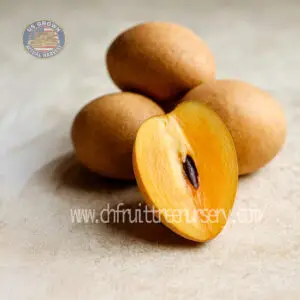
Unlike some larger sapodilla varieties that sacrifice flavor for size, the Gonzales variety retains a premium eating experience. The flesh is a beautiful translucent yellowish-brown, boasting a fine, smooth texture that melts in your mouth. Every bite delivers a high Brix (sugar) level, featuring the classic, beloved Chico flavor—a rich blend of malty brown sugar, caramel, and sweet pear.
Botanical Lineage & Identification
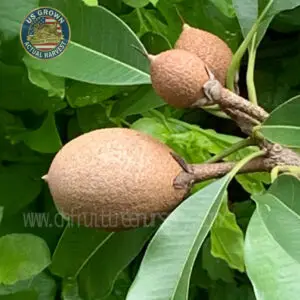
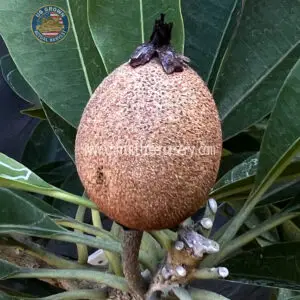
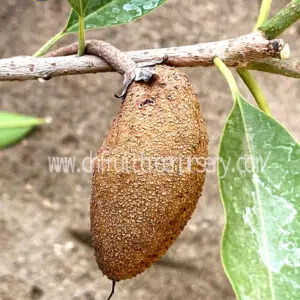
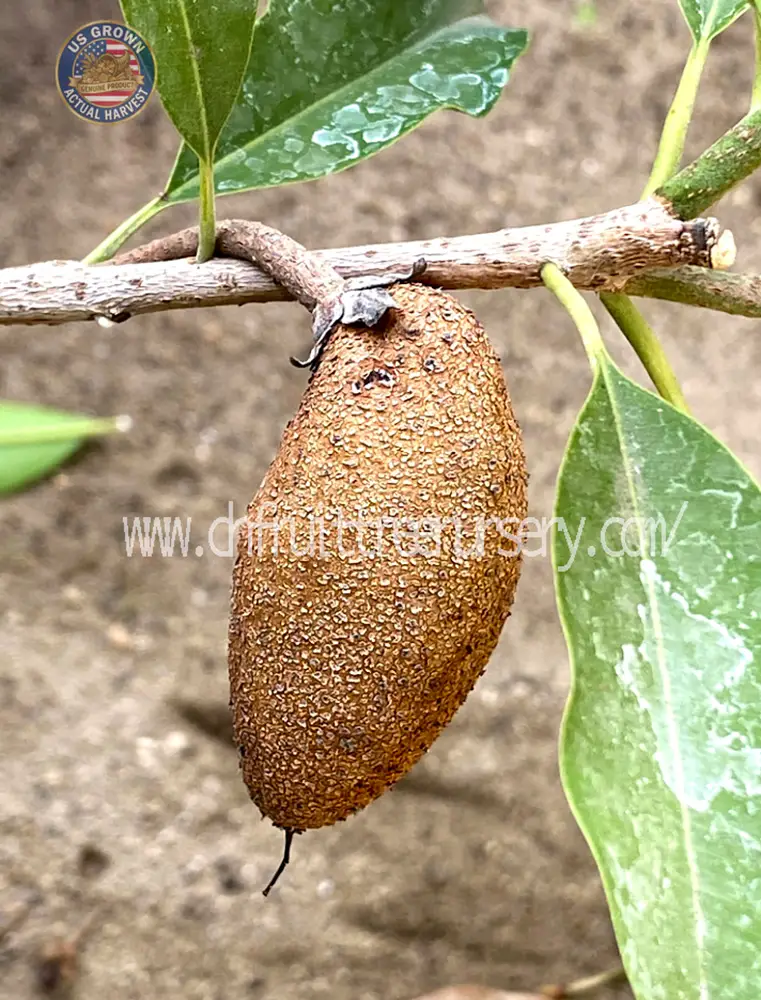
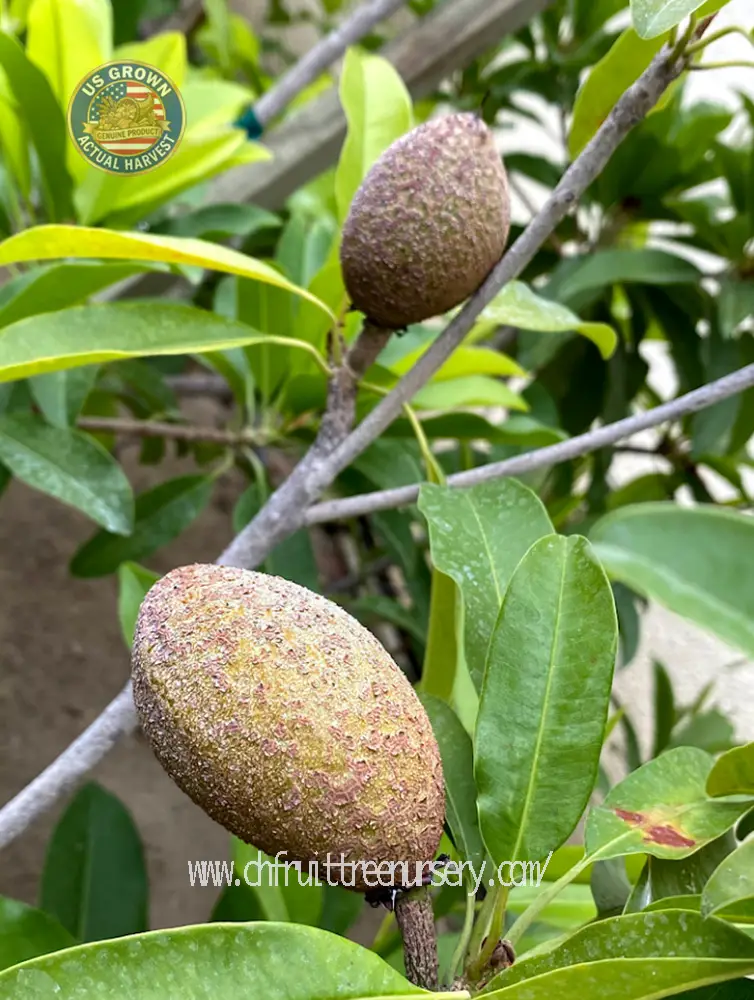
True to its heritage, the Gonzales Sapodilla features distinct botanical characteristics. As the tree matures, you will notice its lush, glossy evergreen leaves that make it a beautiful ornamental landscape specimen. When observing the fruit, it exhibits a classic round-to-oval shape with a slightly scruffy, rustic brown exterior that peels away easily when perfectly ripe.
Growing & Care Instructions
The Gonzales Sapodilla is a resilient tropical tree that rewards growers with abundant harvests when provided with the right conditions:
Sunlight: Thrives in full sun. Needs at least 6–8 hours of direct sunlight daily for optimal fruit production.
Soil: Prefers well-draining, slightly acidic to neutral soil. It will not tolerate standing water.
Watering: Requires regular watering during its establishment phase. Once mature, the tree is surprisingly drought-tolerant, though consistent moisture during fruit development ensures maximum fruit size.
Temperature & Hardiness: As a tropical tree, it flourishes in warm climates. While mature trees can survive brief temperature dips.